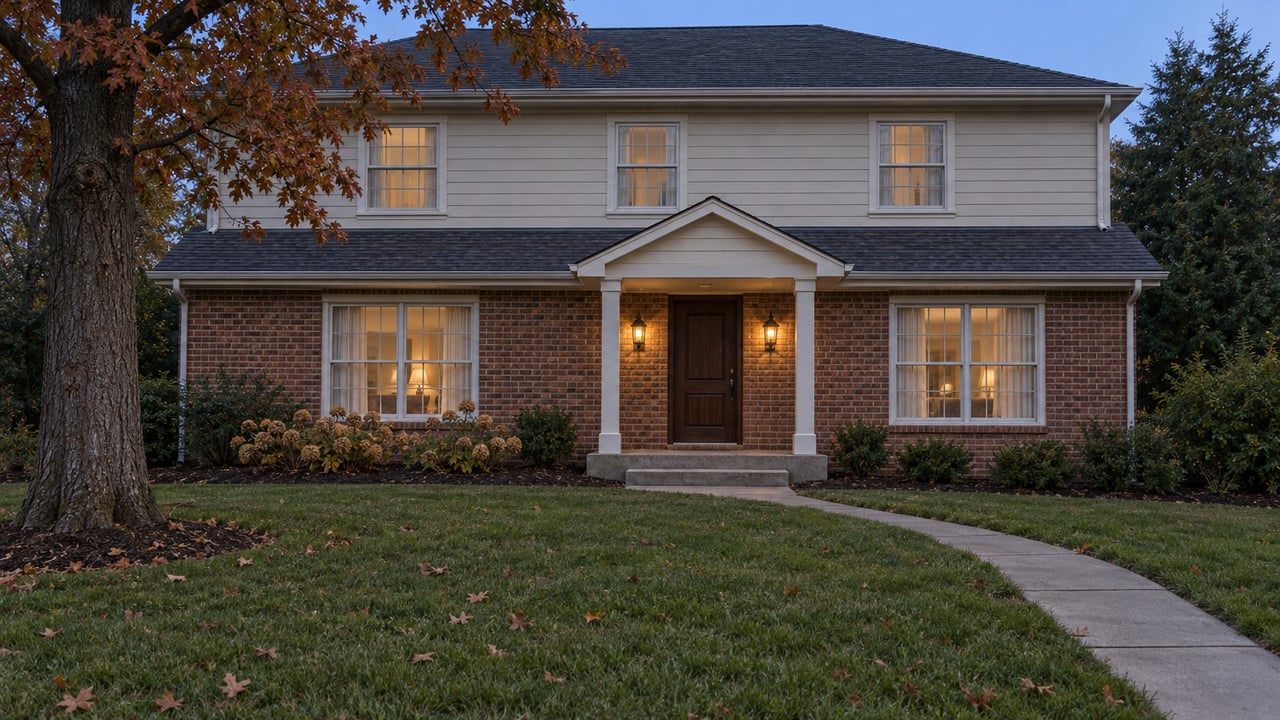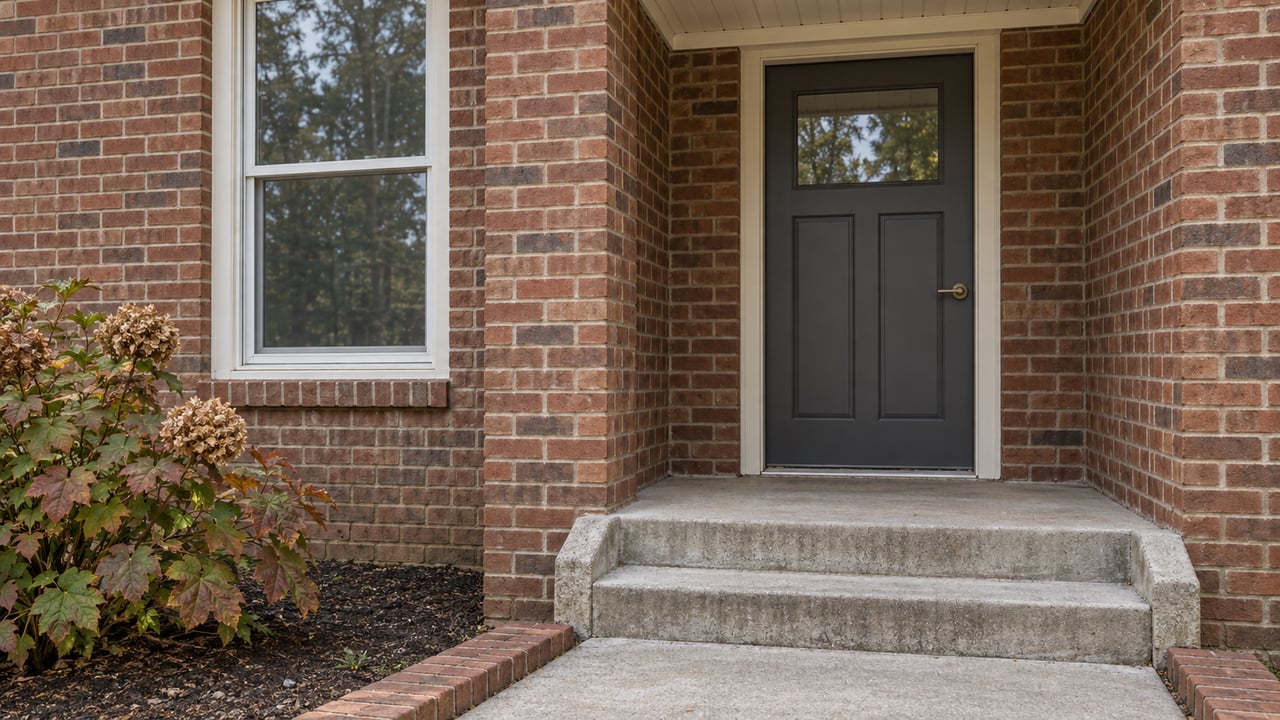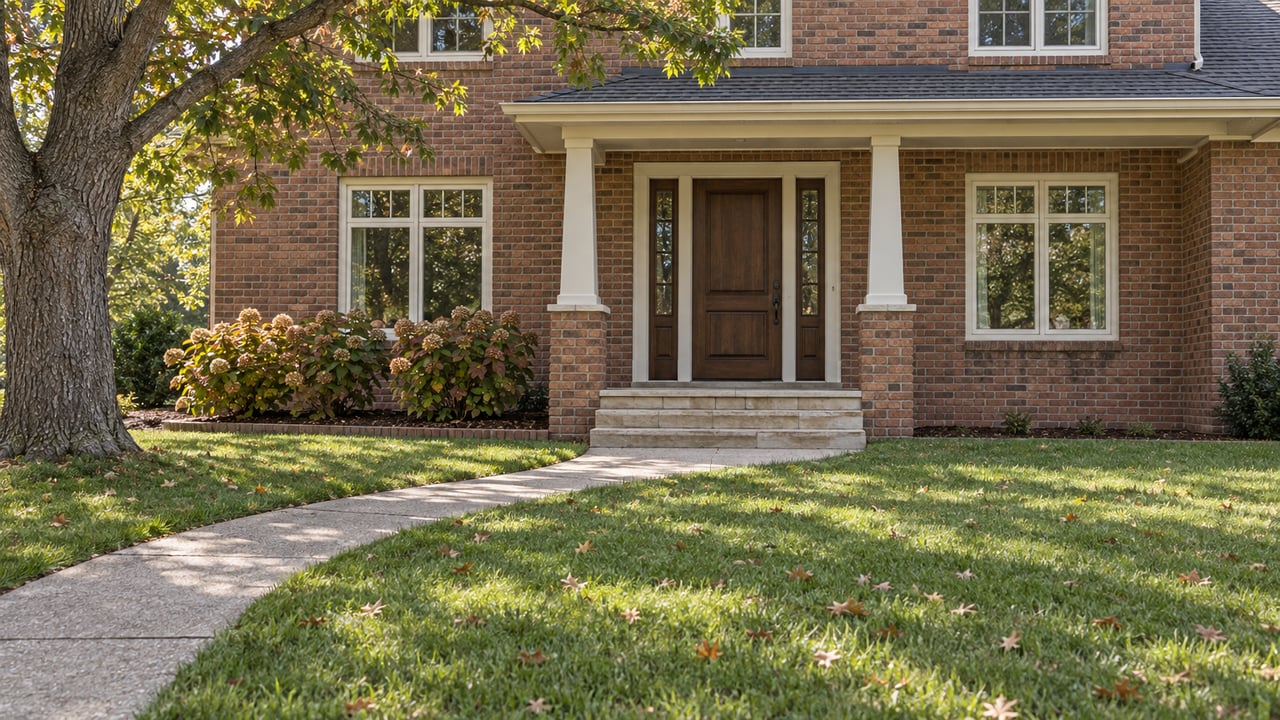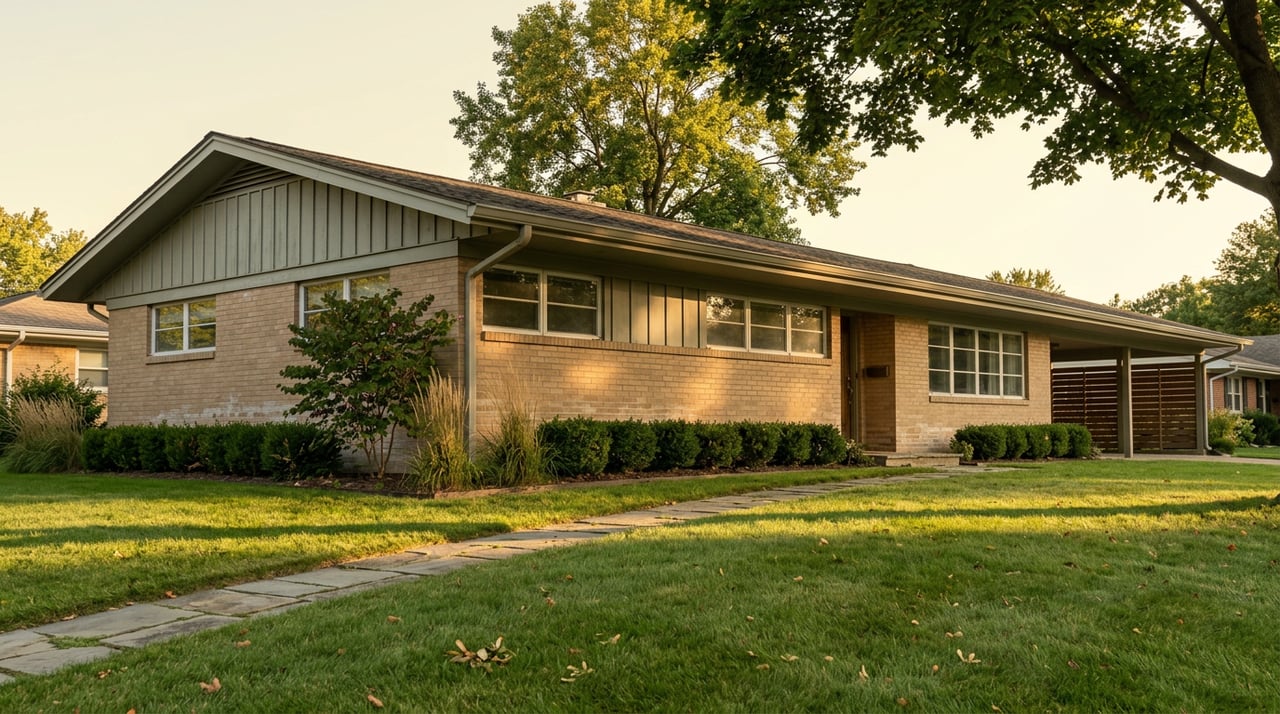
Drive through Ladue on almost any weekday and the ranch houses blend into the background: brick, low-slung, attached two-car garage, a lawn wide enough to land a small plane. Easy to file under "50s suburbia" and move on. But on October 10, a group of architecture enthusiasts with clipboards and self-guided maps is going to spend six hours proving that filing system wrong.
ModernSTL, the local nonprofit dedicated to identifying and preserving modernist buildings in the region, is running its 2026 Fall Home Tour that Saturday from noon to 6 p.m., with check-in at the First Church of Christ, Scientist. The route covers mid-century modern homes and commercial spaces across Olivette, Ladue, and Creve Coeur, and one of this year's stops is a home in Ladue designed in 1950 by William Bernoudy, the St. Louis architect known for extending Frank Lloyd Wright's ideas into the region's postwar subdivisions. The homeowner is opening the door personally.
That single detail is worth sitting with. People do not organize a citywide tour, sell tickets, and route six hours of driving around houses that are merely old. They do it around houses that mean something architecturally, and Ladue has more of those than most residents realize.
The tour is a symptom, not the story
Ticket holders on October 10 aren't discovering Ladue's mid-century character for the first time. ModernSTL has been circling back to this stretch of St. Louis County for years, because the county's ranch-house subdivisions, built in the boom years after World War II, produced one of the more architecturally coherent collections of the style anywhere in the region. Ladue's version of that boom happens to include a subdivision with a distinction almost nobody outside preservation circles knows about.
As the St. Louis Post-Dispatch reported, Ladue Estates, built between 1956 and 1965, was added to the National Register of Historic Places in 2010. It was the first mid-century modern neighborhood in Missouri to earn that designation, and one of a small handful in the country at the time. The listing wasn't about the architecture alone. The report quoted the Missouri Office of Historic Preservation describing the district this way:
"wide lots, expansive lawns, attached garages and sprawling floor plans epitomized the suburban dream of the post-war years."
But the deeper reason it made the National Register is about access, not aesthetics. In the 1950s, Jewish families in the St. Louis area were frequently shut out of buying homes in certain upscale subdivisions that carried restrictive covenants. Ladue Estates was one of the places where that door was open. The neighborhood became, in effect, a workaround built in ranch-house form, and sixty years later it stands as a documented piece of that history rather than a footnote to it.
That is the part a drive-by never tells you. A subdivision full of one-story brick homes with picture windows looks, at a glance, like every other one-story brick subdivision built in the same decade. The difference is in the paperwork, and in the fact that the paperwork exists at all. Getting a mid-century district onto the National Register takes years of documentation work, usually led by residents who already suspect their neighborhood is more significant than the county assessor treats it. Ladue Estates got there because its own trustees spent roughly three years building the case.
Why preservationists keep coming back
Mid-century modern architecture spent decades as the style nobody defended. Ranch houses and flat-roofed commercial buildings from the 1950s and 60s were, for a long stretch, considered dated rather than historic, which made them easy targets for teardown when a buyer wanted a bigger footprint on the same lot. That dynamic hasn't disappeared. It's part of why groups like ModernSTL exist in the first place, and part of why an annual home tour matters more than it looks like it should. Every ticket sold funds the ModernSTL Preservation Fund, which supports the documentation work that got Ladue Estates onto the National Register to begin with.
The pattern shows up outside Ladue too. ModernSTL's tour rotates through different pockets of the region each year. In 2025 it focused on the Ridgewood subdivision in Crestwood. This year it's Olivette, Ladue, and Creve Coeur. The throughline is the same each time: find the pocket of postwar architecture that's still intact, put it in front of people who might not otherwise notice it, and make the case for keeping it standing before the next round of renovation permits get pulled.
For anyone who lives in one of these ranch houses, that context changes what the house is. It stops being an older home that happens to need a kitchen update and starts being a documented example of a design movement that preservationists nationally are still working to protect. Both things can be true. Neither one makes it precious.
What to actually do with the day
If you're planning to walk part of the route on October 10, the practical logistics are straightforward. The tour is self-guided, so you set your own pace across the three communities, and check-in happens at the First Church of Christ, Scientist before you head out.
A few notes if you're building a full day around it:
- The tour runs noon to 6 p.m., which leaves room for lunch beforehand and dinner after without rushing either.
- Companion Café on Clayton Road, run by Jodi Allen, who was born and raised in Ladue, is a reliable lunch stop before you start. It's known for sandwiches like the Choo Choo Chicken and a rotating list of seasonal salads, and the brick patio out front is a good place to review your route map before heading out.
- Right behind Companion, in the alley space that used to be Dottie's Flour Shop, is Ladue Taco. It opened in 2022 when Companion's longtime manager, Rodrigo Silva, decided to start his own place, and it only runs evening hours, typically 4 to 8 p.m. Wednesday through Sunday, so it works better as a stop after the tour wraps than before.
That combination, a documented mid-century architecture route bookended by two neighborhood restaurants in the same half-mile stretch of Clayton Road, is a fairly accurate snapshot of how Ladue actually operates. The neighborhood doesn't announce its layers loudly. You find them by paying attention to the small print on a historic marker or the backstory behind a taco counter that never bothered to put up a sign.
The house you drive past differently now
None of this changes what any individual ranch house is worth or whether it needs a new roof. What it does is answer a question longtime residents may not have thought to ask: why did a regional architecture group include a Ladue home on this year's tour, when there are dozens of postwar suburbs in the region to choose from?
The answer is that Ladue's stock of mid-century homes isn't just plentiful. Parts of it are documented, protected, and tied to a specific piece of local housing history that most other subdivisions from the same era can't claim. That's a fact about the neighborhood that has nothing to do with square footage or lot size, and it helps explain why a Ladue home is on this year's tour map.
If you're weighing what to do with a Saturday in October, that's reason enough to walk the route yourself, even in a neighborhood you've lived in for years. Especially in a neighborhood you've lived in for years.
For more on what's happening in and around Ladue, or if a question about your own home ever turns into something bigger, Toni Lucas and the team at Premier Realty Group are always glad to talk. Let's connect.